Low Progesterone: Could it be Causing Your Sleep Issues?
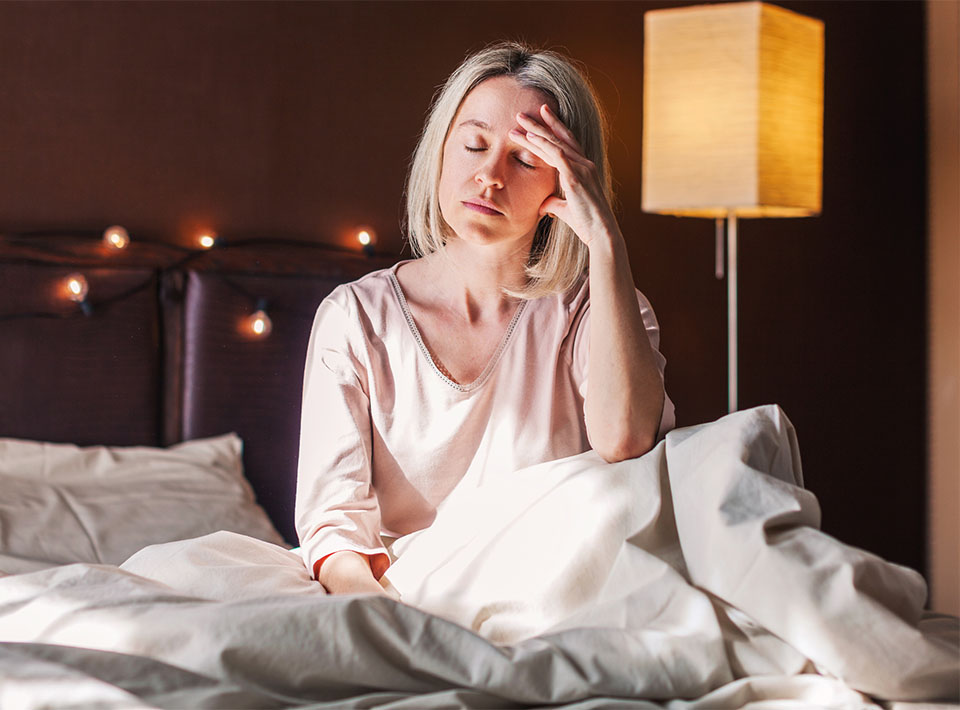
Adequate, high-quality sleep is not a luxury — it’s vital for your overall health and well-being.
Yet, as women age, sleep can become more of an issue. We know how frustrating this can be.
You may have tried many ways to improve your sleep, like adjusting your sleep schedule, creating a calm sleep environment, or taking medications and supplements.
But if none of that is working, something else may be at play: your hormones.
Aging, Hormones, and Sleep Problems: They Go Hand in Hand
As women get older, they transition into perimenopause and then menopause. During this time, estrogen and progesterone will decrease and can go out of balance, creating a host of unpleasant and unexpected symptoms.
When hormones are imbalanced, you can experience problems with your:
- metabolism
- immune system
- thyroid levels
- digestive health
- mood (anxiety, depression, irritability)
- nervous system
- libido
- vaginal dryness
- skin (acne, other skin issues)
- blood vessels (hot flashes, night sweats, migraines)
- joints
- cortisol levels (vital for stress management)
One of the most common issues women experience in perimenopause and menopause is sleep problems.
According to a CDC survey:
- 56% of perimenopausal women sleep less than seven hours a night.
- 55% of postmenopausal women did not wake up feeling rested four days or more per week.
- 27% of postmenopausal women had trouble falling asleep, and 36% had difficulty staying asleep.
What Happens When You Don’t Get Enough Sleep?
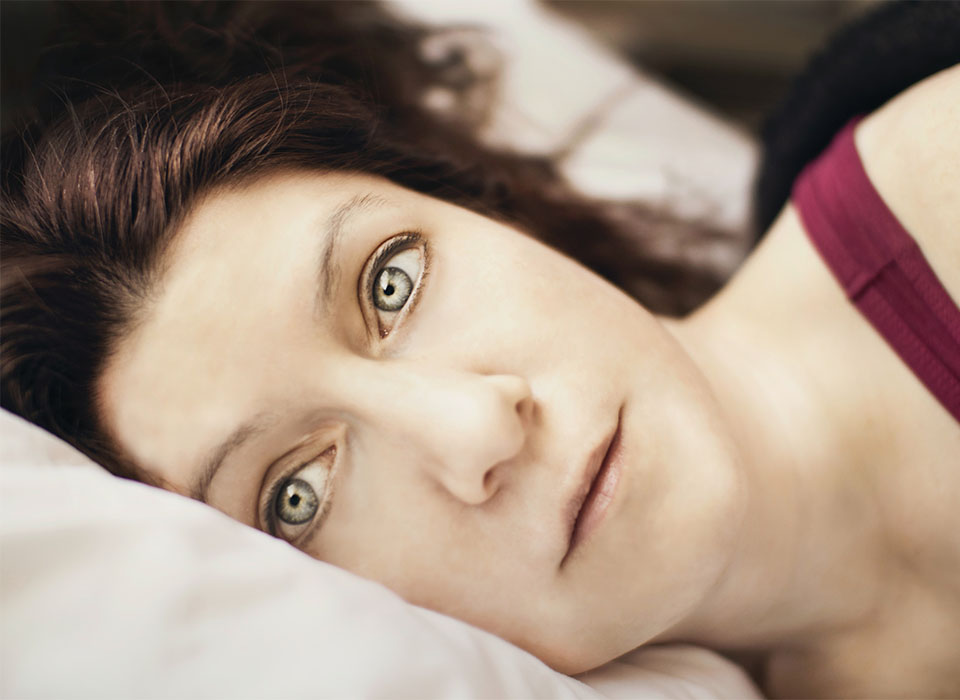 When you can’t sleep, you can’t function. Irritability, memory loss, and brain fog can make it hard to keep up with daily life.
Sleep is when the body repairs, regenerates, and restores itself. If your sleep cycles are continuously interrupted, you won’t wake up feeling refreshed no matter how many hours of sleep you get.
You can take sleep medications to help, but they don’t deal with the underlying cause of the insomnia. Some of them can also be addictive and have unpleasant side effects.
Another point is that when you take sleeping pills, they make you unconscious — but they don’t allow your body to enter REM sleep. The REM stage is when your body naturally heals and restores itself, and lack of REM sleep can lead to:
- heart issues
- depression or anxiety
- fatigue (and chronic fatigue syndrome)
- fibromyalgia
- sleep apnea
- memory issues
Fortunately, another solution exists.
Progesterone and Sleep: “Nature’s Valium”
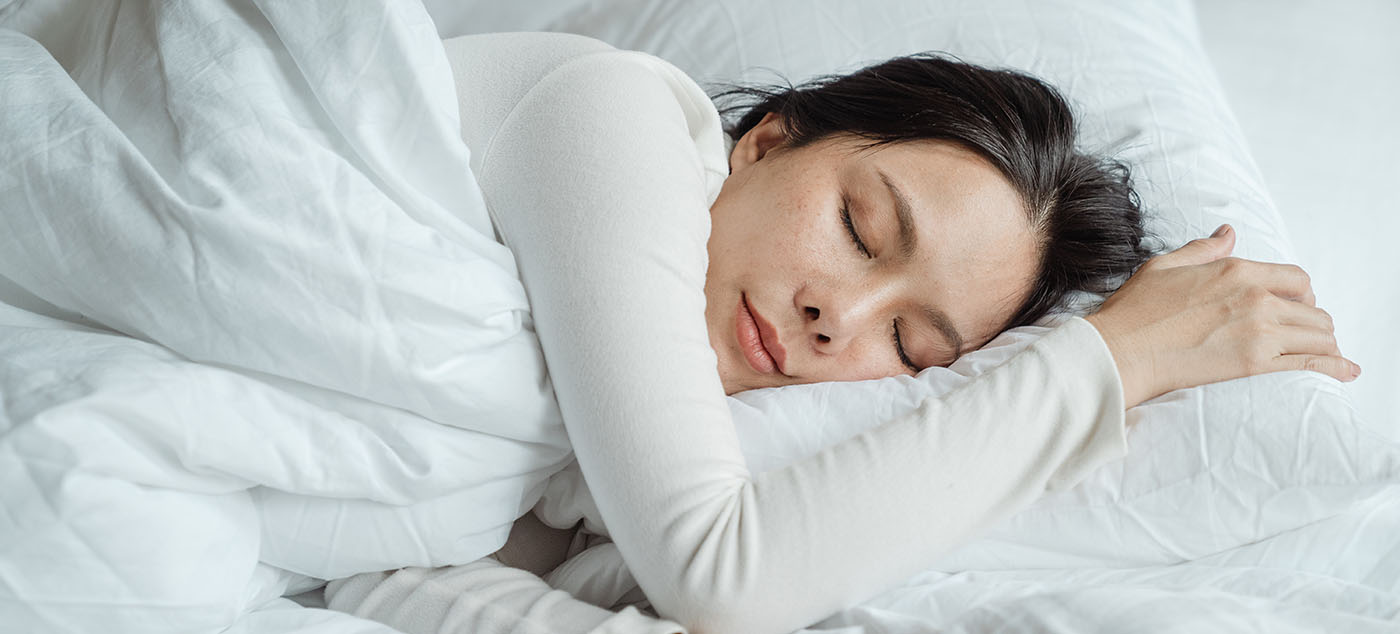 Progesterone calms and relaxes the body so well that it’s sometimes called “Nature’s Valium.” It also eases anxiety, promotes memory, and helps the nervous system function properly.
To improve sleep patterns, doctors recommend taking progesterone before bed, either orally or vaginally, or by applying a cream on your skin. However, it’s vital to understand the difference between progestin — a synthetic hormone many doctors prescribe — and progesterone.
Progesterone is a bioidentical hormone. It’s derived from substances found in nature that closely align with what your body naturally produces.
Progestin is a synthetic, lab-created hormone that doesn’t metabolize the same compounds. This synthetic hormone has no calming benefits or sedative properties. The most common type of progestin, MPA, can actually harm the nervous system.
We prescribe progesterone as part of our tailored Bioidentical Hormone Replacement Program. Yet progesterone is just one aspect of balancing your hormones. Estrogen imbalance can also cause sleep problems, along with many other premenopause and menopause issues. It’s vital to balance estrogen, progesterone, and any other hormones that may be out of balance.
By balancing your progesterone, estrogen, and other hormones, we can help you achieve restful, rejuvenating sleep.
Our Bioidentical Hormone Replacement Therapy Can Improve Your Sleep — and SO Much More!

BHRT can reverse symptoms caused by hormone deficiencies and make you feel younger, healthier, and happier.
When you come to Renewed Vitality, we will develop a unique treatment plan for you. Through a comprehensive set of laboratory blood tests, we analyze hormone levels and identify anything else that may be slowing you down.
Our practitioners care about you and will listen to your concerns, questions, and symptoms.
Your individualized treatment plan will include the very best bioidentical hormones and natural supplements.
We will be there every step of the way, monitoring hormone levels and your progress toward a happy and healthy life.
Learn more about Hormone Replacement Therapy here.
How You Can Get Better Sleep Right Now
In addition to hormones, lifestyle choices often contribute to sleep issues. Drinking too much caffeine late in the day, consuming alcohol too close to bedtime, or exercising late in the day can all interfere with your sleep cycle. Here are a few tips to help you change your habits and get better sleep. Take these slowly — start with one and then build from there.
- Develop a consistent sleep pattern by going to bed and getting up at the same time every day. When you create this habit, your body will develop a rhythm and feel sleepier at your daily bedtime.

- Unplug from your electronic devices at least one hour before bedtime. Doing this will eliminate the “blue light” effect on your endocrine system, which inhibits sleep.
- Take a hot bath in Epsom salts. These salts contain magnesium, which helps to soothe and calm your body so you can sleep more deeply.
- Eat a cleaner diet. Processed foods and a diet high in sugars and starches can wreak havoc on your body and circadian rhythm.
- Expose yourself to sunlight early in the day for at least 30 minutes. This will help with your melatonin production, which can help you sleep better.
- If you have trouble turning your mind off at night, try writing those racing thoughts down. You can also read a book to help your mind escape.
- Turn down the thermostat. Per sleep experts, the ideal temperature for sleeping is between 60 and 68 degrees.
- Curb caffeine consumption in the afternoon and evening, and avoid too much alcohol.
- Make your bedroom as dark as possible to help your body use melatonin more efficiently. Use blackout curtains or a sleep mask as needed.
- Try relaxation techniques like meditation, deep breathing, or prayer.
- Play tranquil music or soothing sounds like the sound of a waterfall or rain.
- Take supplements that help with sleep, such as melatonin, 5-HTP, and CBD.
- See a doctor. At Renewed Vitality, we can discover any medical issues that may impede your ability to get a good night’s sleep.
Want Better Sleep? We Can Help!
Call our New Patient Coordinator for a Free, No-obligation Consultation.
Or fill out the form below, and we will contact you.