
Our clinic has years of experience testing for and treating Hashimoto’s thyroid disease.
We can help with your thyroid!
Knowledgable & Experienced
We do multiple tests that allow us to really “see” your Hashimoto’s and get to the root cause.
Treatment of Complex Conditions
Hashimoto’s is a complex condition, and we’ve successfully treated it for over 10 years.
No Excessive Waits for Visit
We have an MD and a highly trained nurse practitioner. We can usually get you an appointment in the next 2 weeks, not the next 3 months.
Would you like a no-obligation consultation?
Call Now (214) 740-4703

About Hashimoto’s Disease
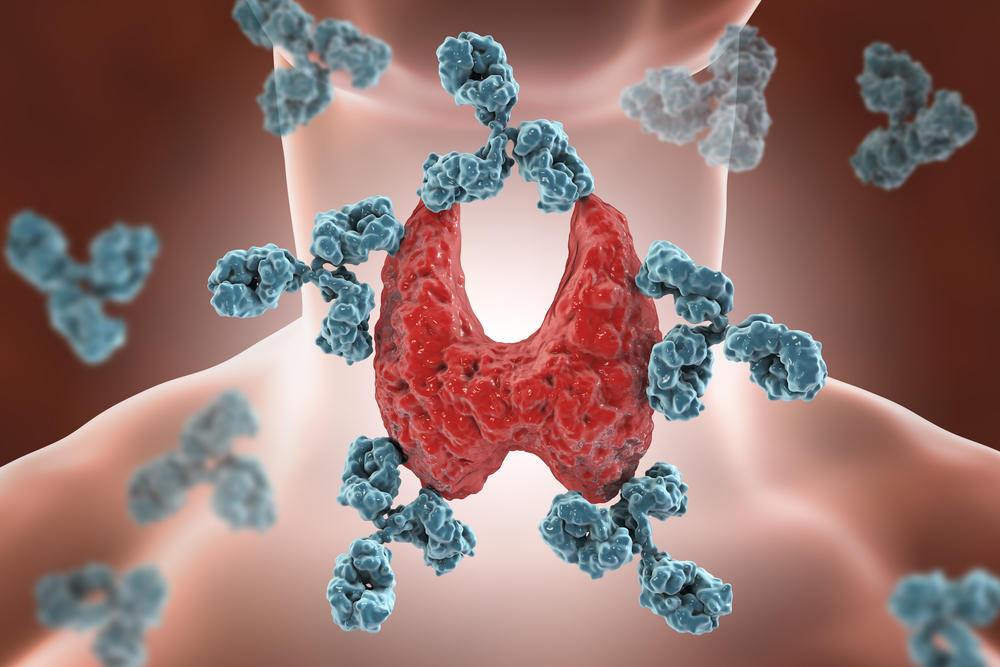
Hashimoto’s disease is an autoimmune disorder that occurs when the immune system views the thyroid as a foreign intruder and attacks it. It is initially characterized by alternating swings between hypothyroidism (low-functioning thyroid) and hyperthyroidism (overly-functioning thyroid).
Hyperthyroidism
Hyperthyroidism symptoms occur as the thyroid cells are destroyed. This happens because the hormone held in “reserve” is not regulated properly and is released into the bloodstream in greater amounts than normal. Symptoms of hyperthyroidism are similar to an overactive metabolism and can include:
- Panic attacks
- Increased heart rate
- Shaky hands/tremors
- Regular bouts of diarrhea
- Weight loss
- Hair loss
- Irritability
- Excessive sweating
- Inability to sleep
- Muscle fatigue
- Infertility
These symptoms can sometimes compel an emergency room visit and can lead to a diagnosis of a cardiac or anxiety disorder. If hyperthyroidism is not treated, it can lead to a complication called thyrotoxicosis, also called thyroid storm. Symptoms of the disorder can escalate and also include a sped-up heart rate, vomiting or nausea, fever, psychosis, agitation, and death.
Hypothyroidism
When the thyroid gland is attacked by the immune system, it becomes damaged, causing it to not produce enough hormone to meet the body’s needs, and hypothyroidism emerges. It’s estimated that the cause of hypothyroidism in about 90% of cases is actually Hashimoto’s disease. In fact, most “conventional” medicine doctors do not test for Hashimoto’s, and this leads to a lot of patients not being treated correctly. Symptoms can incude:
- Constant fatigue
- Inability to lose weight and weight gain
- Hair loss
- Loss of the outer third of eyebrows
- Dry skin
- Cold intolerance
- Aches in joints and muscles
- Constipation
- Depression
- Loss of libido
- Infertility
- Brain fog and memory loss
We Are Alway Happy To Talk To Your About Our Services
(214) 740-4703
Thyroid Fundamentals
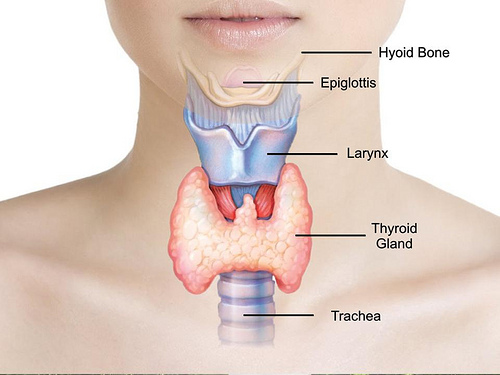 The thyroid is a small butterfly-shaped gland that sits at the front of the neck. It produces hormones that control every cell and organ in your body and regulates metabolism. The thyroid gland mainly produces T4 hormone along with a small amount of T3. The T4 hormone is inactive until it’s converted into T3 through your liver, GI tract, brain, heart, and kidneys.
The thyroid is important for functions such as metabolism, the central nervous system, heart rate, digestion, breathing, liver function, body temperature, and reproductive health. Gut health and thyroid health both depend on each other to function properly, so if there’s trouble in one area, there’s going to be trouble in the other.
Causes of Hashimoto’s Disease
Hashimoto’s disease was the first disease ever to be recognized as an autoimmune disorder. Dr. Hakaru Hashimoto, a Japanese physician, studied histology samples from surgically excised thyroids as part of his M.D. thesis in 1912. The disease was later named after him. Click HERE to learn more about the history of this disease and how it was discovered.
Hashimoto’s is frequently diagnosed as depression, bipolar disorder, PMS, chronic fatigue syndrome, fibromyalgia, or another autoimmune disease. Hashimoto’s can be hereditary and is more common in women than in men. It most often surfaces between 45 and 65 years of age, though it can happen at any age.
Hashimoto’s disease can be caused by nutritional deficiencies such as iodine, selenium, iron, and zinc. Gluten and other inflammatory foods can also cause it and should be removed from the diet immediately. These foods include corn, wheat, soy, dairy, sugar, artificial sweeteners, yeast, and anything considered GMO (genetically modified).
“I have been to many doctors in my quest for health. Dr. Spurlock is the only doctor who has searched for the root cause of my problems to get to a solution. He continues to work with me on getting my life and health back. Very grateful to have him on my side. This is why I travel 400 miles to see him. It’s worth every mile.” – Brenda
The Link Between Gut Health and Hashimoto’s
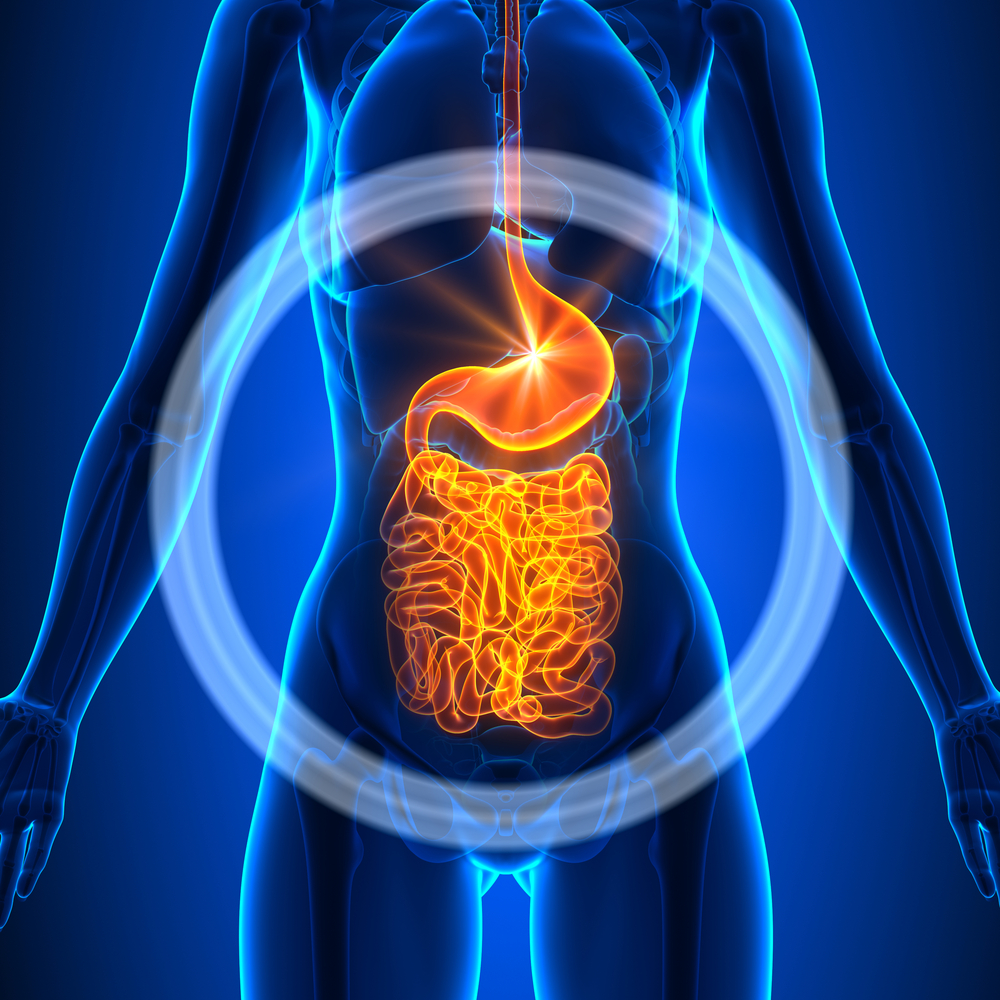 Over 70% of your immune system is located in your gut. If you have imbalances in your gut bacteria (dysbiosis), inflammation, or other disorders, it is much more likely that you will suffer from an autoimmune disease, which includes Hashimoto’s. In fact, if you already have another autoimmune disorder, you are at increased risk for developing Hashimoto’s disease.
When the gut is unhealthy, the intestinal lining can become compromised. Instead of having a smooth appearance and acting as a barrier to keep toxins out, unhealthy bacteria or yeast (Candida) can cause microscopic holes in the lining. This allows toxins, undigested food particles, and waste products to seep through. This creates inflammation throughout the body, including in the gut itself.
Because the body’s role is to defend itself against invaders, it can begin to attack itself, creating autoimmune diseases including Hashimoto’s Disease. Other autoimmune responses can include:
- GI issues including bloating, constipation, diarrhea, and pain in the abdomen
- Leaky gut syndrome
- Nutrient malabsorption
- MS
- Lupus
- Type 1 Diabetes
- CFS
- Fibromyalgia
- Celiac Disease
- Inflammatory Bowel Disease
Why is Hashimoto’s Disease Difficult to Treat?
 We see many patients who are frustrated with the level of care that they’ve received and wonder why they are not feeling any relief from their medication. There are many reasons for this, and unfortunately, it can lead to frustration and a waste of time and energy trying to find a physician who is up to date on testing and treating Hashimoto’s.
How can this disease be treated correctly when most of the time it’s not even considered in thyroid testing? The answer is that it can’t.
Because most conventional medicine physicians follow the “norm” and don’t stay up to date on modern testing and treatment protocols, the patient suffers.
Most doctors test TSH (Thyroid-Stimulating Hormone), which can indicate whether the thyroid gland is over- or under-producing. This testing system is antiquated and mainly shows how the pituitary gland signals the thyroid. If there’s not enough T3 available to the cells, the pituitary is going to signal the thyroid gland to produce more and more T4.
Some doctors also test the T4 hormone levels; however, this is the inactive form of thyroid hormone. These two tests will not show other thyroid disorders, such as an inability to convert T4 into T3, Hashimoto’s, or a condition known as Reverse T3.
The conventional medicine approach to treating a thyroid problem is to prescribe Synthroid or Levothyroxine, which are both drug versions of the T4 hormone. This happens time and time again, even though the only thing that has been tested is the TSH level and possibly T4.
Why Standard TSH Tests Won’t Necessarily Locate the Problem
We see so many patients who are frustrated with the medical community and don’t understand why they don’t feel any better. A TSH test will never reveal if a person isn’t converting T4 into T3, and they will continue to get sicker and sicker. Additionally, a TSH test will never identify Hashimoto’s since it is an autoimmune condition.
Hashimoto’s disease occurs when the body’s immune system attacks the thyroid gland. To diagnose it correctly, two specific tests that detect elevated antibody levels in the blood must be run. The presence of thyroid peroxidase antibodies (TPO) and thyroglobulin (TGab) antibodies shows whether the thyroid dysfunction is autoimmune. Treatment protocols differ for Hashimoto’s patients.
Renewed Vitality Dallas Providers are Experts in Diagnosing and Treating Hashimoto’s Disease

Our providers are highly educated and experienced in diagnosing and treating all types of thyroid disorders. They understand that Hashimoto’s often has multiple contributing factors, and our team uses every resource available to identify them so our patients are treated correctly.
Our initial lab panel is comprehensive and checks all hormone levels, as well as all aspects of the thyroid gland. Since all the glands work synergistically and dysfunction in one can cause problems in other areas, we often find imbalances in other hormones as well. Once we identify every contributor, we can treat this disease successfully.
Our office also offers detailed gut health testing. This allows us to identify issues such as
- Malabsorption of nutrients
- Food sensitivities and/or allergies
- A comprehensive look at the amounts of good bacteria, harmful bacteria, toxins, and yeast (Candida) that can contribute to leaky gut and autoimmune disorders
Our goal is to offer our patients a comprehensive view of their health so we can prescribe appropriate treatment protocols and help them heal. We want our patients to have confidence in our providers, and we know we must earn that. The first step in treating Hashimoto’s disease is diagnosing it. This seems like common sense, and it is! We are up to date on treating illness at its root cause.
Once we’ve identified every contributing factor, we build a personalized plan to relieve your symptoms and help you feel like yourself again.
Free Phone Consultation with our New Patient Coordinator
Renewed Vitality is a place of hope. Our knowledgeable providers are experts in their field and take the time to find the underlying causes of hormonal imbalances and illness. We will work with you using proven, science-based technology in a warm, compassionate environment to help you restore your health so you can live a life of vitality and wellness.
Please contact our New Patient Coordinator for your free phone consultation. She can answer your questions and provide additional information about our providers, protocols, and fees; what is covered by insurance and what is not; and any other details you may need. She can also book your first appointments if you decide we are a good fit for you.
There is no obligation to book an appointment. Please call 214-740-4703 to learn more, or complete the form below, and we will contact you. We would love to hear from you!